
Food Safety: Simple Steps to Prevent Foodborne Illness
~Written by Christopher Vargas
Reviewed by Shannon Grant-Hailey, RD, CDN
Table of Contents
What Is Foodborne Illness?
Safe Food Handling Tips
Food Recalls: Staying Informed
Takeaways
Stay Up to Date
1. What Is Foodborne Illness?
Foodborne illness, or food poisoning, occurs when someone eats food that has been contaminated with harmful bacteria, viruses, parasites, or toxins.
Common symptoms include nausea, diarrhea, stomach cramps, and fever. While most people recover in a few days, food poisoning can be more serious in people with weakened immune systems, like young children, older adults, and pregnant women.
About 48 million Americans contract foodborne illnesses each year, resulting in ~128,000 hospitalizations and 3,000 deaths (CDC, 2026).
2. Safe Food Handling Tips
Many foodborne illnesses can be prevented by following a few simple food safety practices at home.
Always follow these four simple steps:
Clean: wash hands, utensils, and food prep surfaces often
Separate: Keep raw meat and eggs away from cooked foods
Cook: cook foods to safe internal temperatures
Chill: refrigerate perishable foods within two hours
You can also help reduce risk by:
Washing fruits and vegetables under running water.
Peeling produce or removing outer leaves when possible.
Cooking produce to at least 158°F when appropriate to kill Cyclospora.
Checking expiration dates before eating food.
Throwing away spoiled or questionable food.
3. Food Recalls: Staying Informed
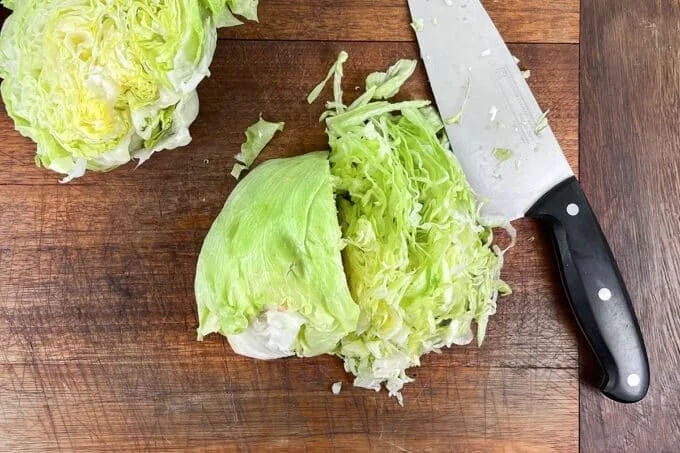
Cyclospora
The 2026 Cyclospora outbreak is linked to iceberg lettuce from Taylor Farms de Mexico, sourced from Central Mexico.
Cases: 6.358
Hospitalizations: 278
Deaths: 2
States: 15 (CDC as of Aug 2026)
Foods can be recalled off shelves when a product may be contaminated or unsafe to eat. They help remove potentially harmful foods from stores and homes before more people become sick.
Cyclospora cayetanensis is a tiny parasite that can cause an illness called cyclosporiasis. Symptoms may include watery diarrhea, stomach cramps, bloating, nausea, loss of appetite, weight loss, and tiredness. They often begin about one week after eating contaminated food.
2026 outbreak:
Linked to recalled iceberg lettuce from central Mexico
Cases began in several states, including Illinois, Indiana, Kansas, Kentucky, Michigan, Ohio, Oklahoma, Pennsylvania, and West Virginia
Beware of Social Media!
Some people online have promoted getting Cyclospora as a way to lose weight.
Weight loss results from illness, dehydration, loss of protein, electrolytes, and fluid; NOT healthy fat loss.
It’s important to note: Cyclospora can cause severe diarrhea, weakness, and even death.
Always check health advice with trusted medical sources and not “influencers”; your life depends on it.
The best way to lose weight is to consult a professional such as a Registered Dietitian.
Tips to Stay Safe:
Stay informed by checking FDA and USDA food recall alerts.
Check your refrigerator for recalled products.
Do not eat recalled foods, even if they look or smell normal.
Throw recalled items away or return them for a refund.
4. Takeaways
Wash your hands and keep cooking surfaces clean.
Keep raw foods away from cooked foods.
Small food safety steps can help prevent illness.
Check recall alerts and throw away recalled products.